Optimizing Development Workflows and Content Management for a Real Estate Platform
DBB Software streamlined JLL's development and deployment processes through Azure DevOps CI/CD optimization while integrating Salesforce for customer inquiries and Sitefinity CMS for content management.
Industry
Real Estate & Property Management
Service
Infrastructure Services
Team
2 Backend Developers, 1 Frontend Developer, 1 DevOps Engineer, 1 QA Engineer
Project State
March 2020 – Ongoing
Country

United States

About the Client
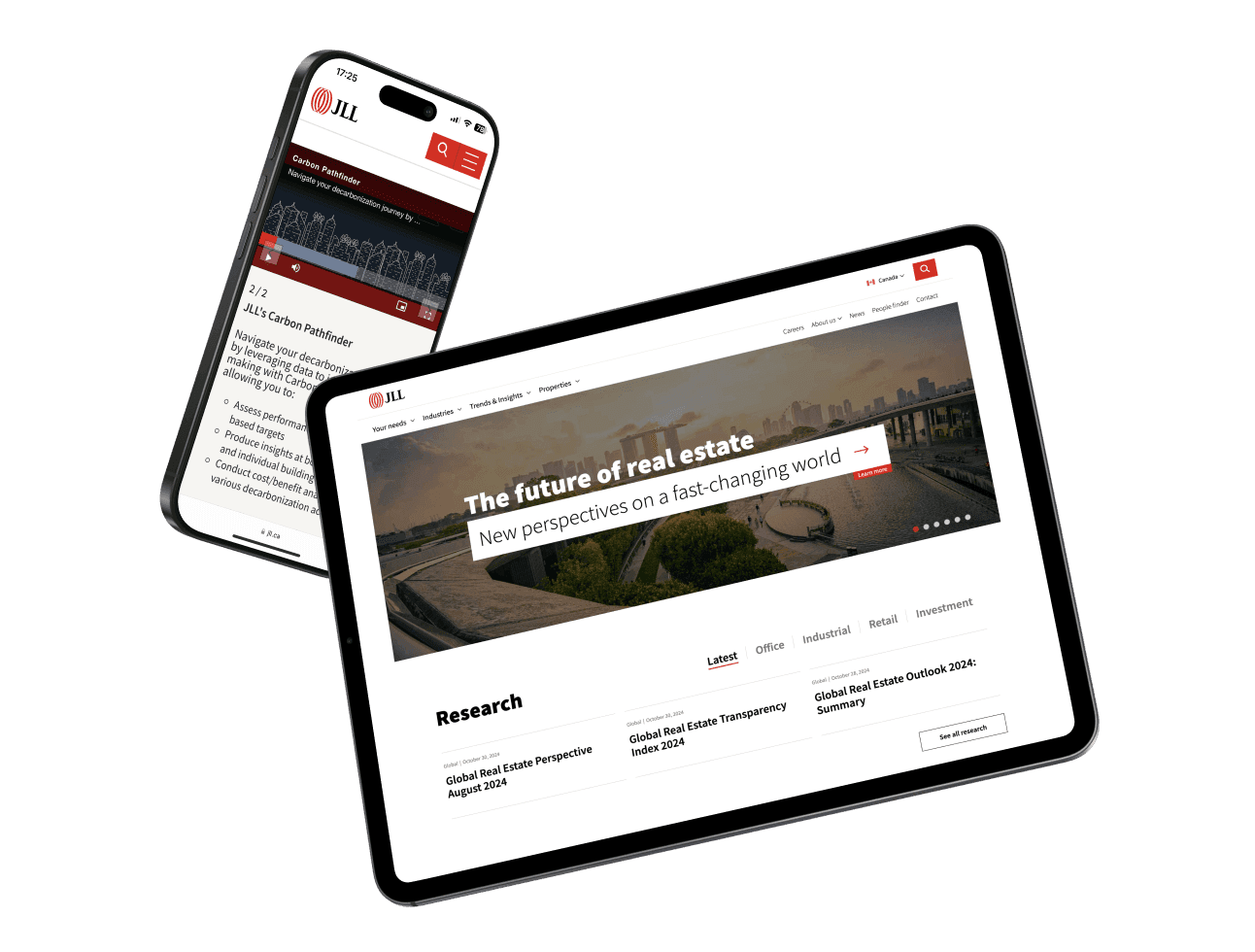
Our client, Jones Lang LaSalle (JLL), is a global leader in commercial real estate services. As a Fortune 500 company, JLL provides property management, investment management, and development services across 80 countries, employing over 91,000 people. Their goal is to shape the future of real estate with innovative, technology-driven solutions.
The Client's Initial Request
JLL engaged DBB Software to improve their platform's development experience and integrate key business systems, enabling faster feature delivery and unified content management:
Development Workflow Optimization
Streamline the development and deployment process to accelerate feature releases and reduce manual intervention.
01
Customer Inquiry Integration
Connect the platform with Salesforce to route customer inquiries directly to support teams without manual data transfer.
02
Content Management System
Implement an enterprise CMS solution that enables content managers to update website content without developer involvement.
03
Unified Platform Experience
Ensure all integrations work seamlessly within the existing React/NextJS frontend and NestJS backend architecture.
04
Solutions We Delivered
DBB Software delivered a comprehensive DevOps and integration solution, establishing automated pipelines and connecting critical business systems to JLL's real estate platform:
Azure DevOps CI/CD Pipeline
Configured complete CI/CD workflows with Azure Git repositories, implementing automated checks for linting, building, and testing on every pull request. Deployment pipelines were established for seamless delivery of new features and build versions, significantly reducing manual deployment effort.
Salesforce Integration
Integrated Salesforce directly into the frontend application, enabling customer inquiries submitted through the website to flow automatically to support teams in Salesforce. This eliminated manual data entry and ensured faster response times for customer requests.
Sitefinity CMS Implementation
Deployed a licensed Sitefinity instance within the existing infrastructure, integrating it with the frontend and backend to pull and render managed content on the website. Configured custom content entity schemas and relationships, and set up access controls for content managers. Implemented SSO authentication with Okta for secure access.
Backend Data Layer Enhancement
Extended the backend to work with Azure Tables and CosmosDB, supporting the new content and integration requirements while maintaining performance and reliability across the platform.
Results Achieved

Streamlined Development Workflow
Automated CI/CD pipelines eliminated manual deployment steps, enabling faster and more reliable feature releases with built-in quality checks on every code change.

Unified Customer Support Channel
Salesforce integration created a direct pipeline from website inquiries to support teams, reducing response times and eliminating manual data transfer between systems.

Empowered Content Teams
Sitefinity CMS gave content managers full control over website content updates without requiring developer involvement, accelerating content publishing cycles.

Secure Access Management
Okta SSO integration provided secure, centralized authentication for content managers accessing the Sitefinity CMS, aligning with enterprise security requirements.
Streamline Your Development and Integration Workflows
Accelerate feature delivery and unify your business systems with expert DevOps and integration engineering.
Contact Us
"Most of our work starts with a 30-minute call where someone describes a product they're trying to ship and one part of the engineering picture they can't get around.
If that's where you are, let's set one up; I'll tell you straight whether we're the right fit.”

Mina Morkos
Business Development Manager


Want a similar outcome for your team?
Ask our AI assistant — it can pull related case studies, talk through the approach, and put you in touch with the team if you want a deeper conversation.